ADA Accommodation Denial Letter: Legally Defensible Rejection Templates (2026)
For U.S. employers and small-business HR teams.
Verified by AI SoloHR Compliance & Editorial Team (U.S. Employment Law & Regulatory Compliance Research Group)
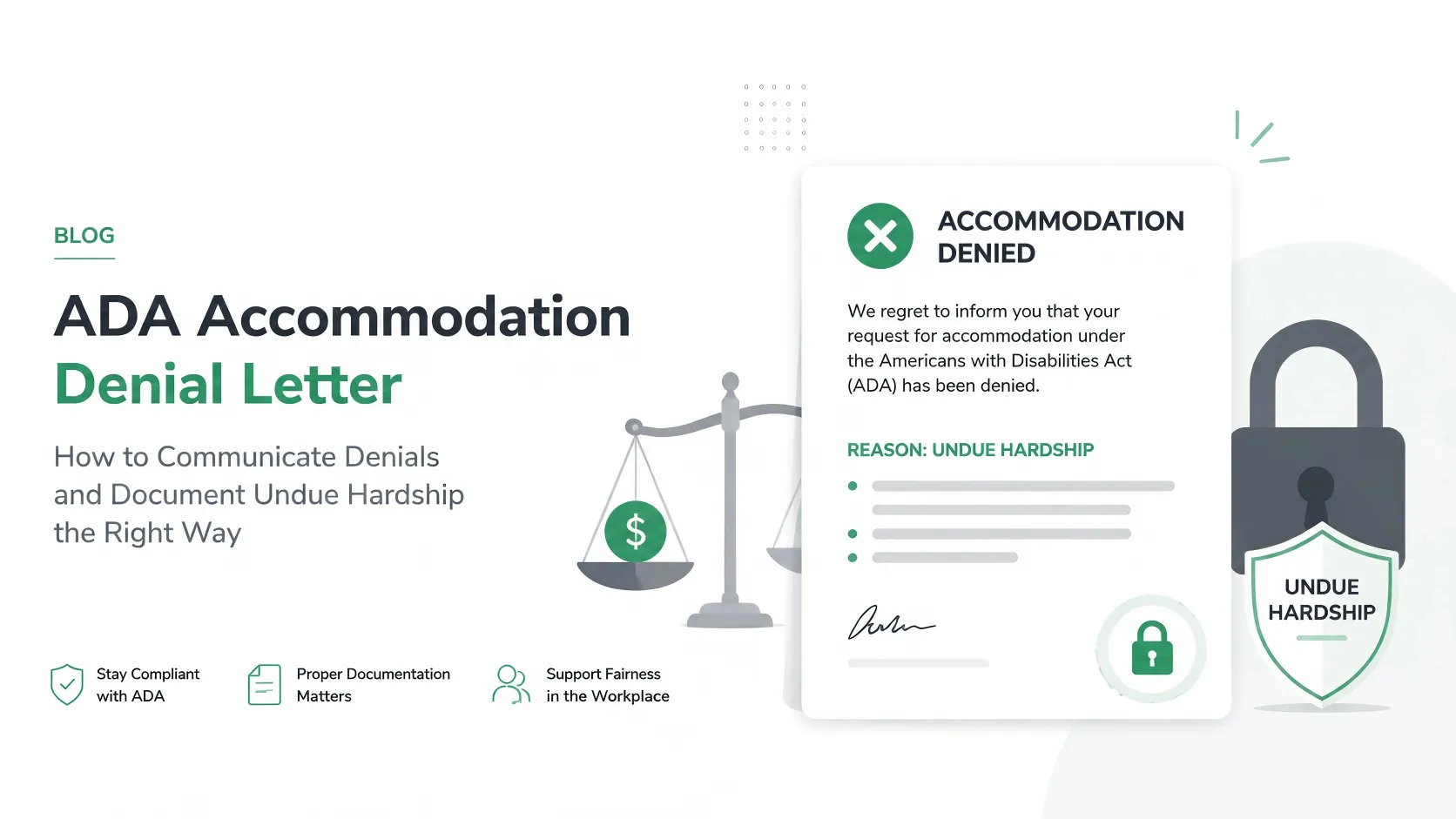
Managing disability compliance under federal guidelines is a primary responsibility for B2B HR professionals and small business owners. Under the ADA, while employers are required to provide reasonable accommodations to disabled employees, they have the legal right to deny requests under specific conditions.
However, issuing a denial requires absolute compliance to prevent costly discrimination claims. Using a structured ADA accommodation denial letter ensures your business documents rejections legally and maintains compliance.
In 2026, leave management and strict adherence to federal labor guidelines remain top priorities for business operations. As companies coordinate varying shift schedules and adapt workspace standards, establishing a clear, legally sound process for managing medical certifications has become a routine HR requirement.
Failing to properly document denials or missing critical ADA response timelines can expose your business to significant legal risk. We at AI SoloHR believe that a structured, objective, and documented approach to form processing is the best way to support your team while keeping your business secure.
This guide covers FMLA and ADA rules, details the ada accommodation denial letter, and outlines a compliant workflow.
1. ADA Accommodation Denial Letter Framework and Common Manual Processing Limitations
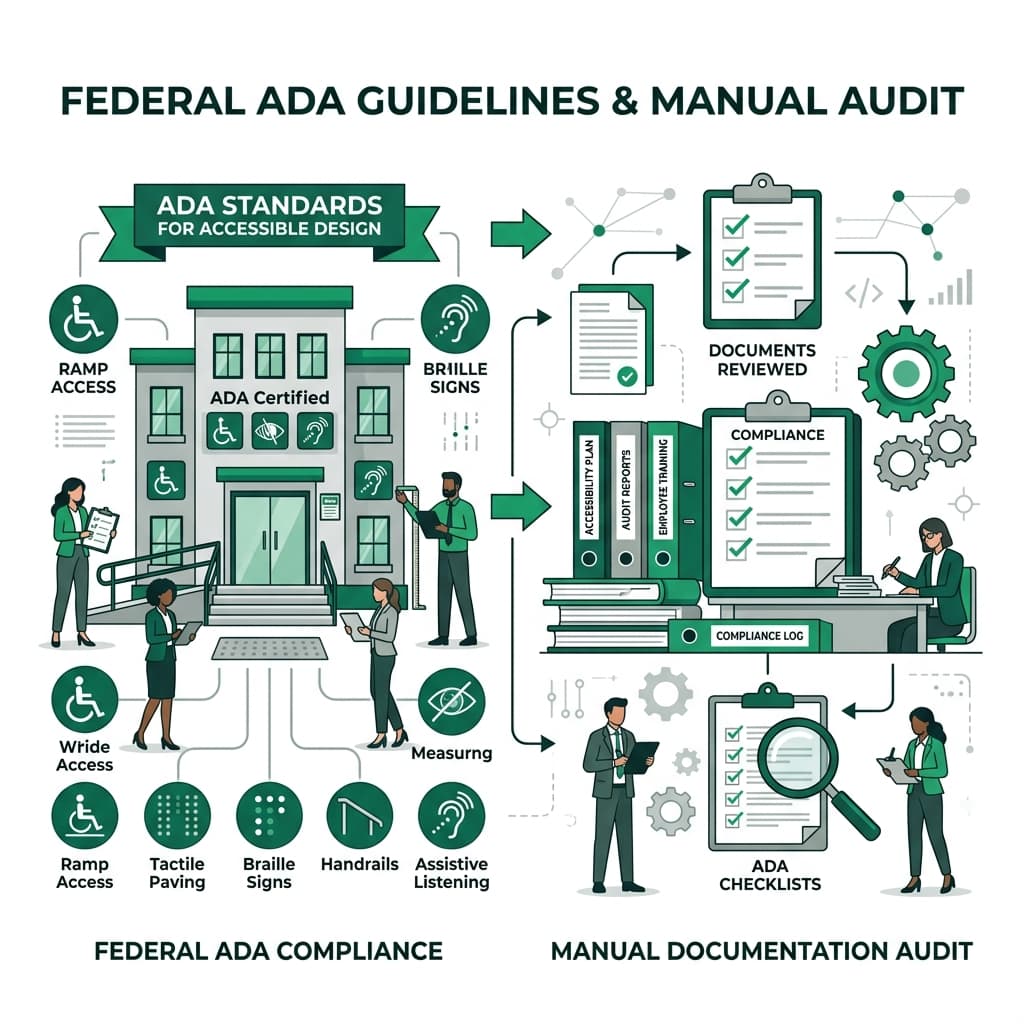
Before sending denial letters or reviewing medical certifications, employers must understand ADA legal frameworks and the limits of manual tracking.
Understanding the Legal Grounds and Notice Requirements for ADA Denials
Under Title I of the Americans with Disabilities Act, employers can legally deny an accommodation request under specific circumstances:
Undue hardship: If providing the accommodation would cause significant difficulty or expense for the business, taking into account resources and operations.
Essential functions: If the requested accommodation requires eliminating an essential function of the employee's job.
Direct threat: If the accommodation would not prevent the employee from posing a direct threat to safety in the workplace.
Employers should consult official Equal Employment Opportunity Commission (EEOC) guidelines to ensure their denial letters align with federal standards.
The Hidden Compliance Risks of Manual Form Tracking
Attempting to track ADA rejections and deadlines on manual spreadsheets is a major security and compliance risk.
Manual processing often leads to missed timelines, such as failing to provide a written denial notice promptly or misplacing doctor letters. Additionally, storing sensitive medical data in general employee personnel files violates FMLA and ADA confidentiality mandates.
If an employer fails to maintain separate, secure medical files, they can face severe penalties during a Department of Labor (DOL) or EEOC audit.
2. Upgrading to AI SoloHR for Automated Leave Case Management
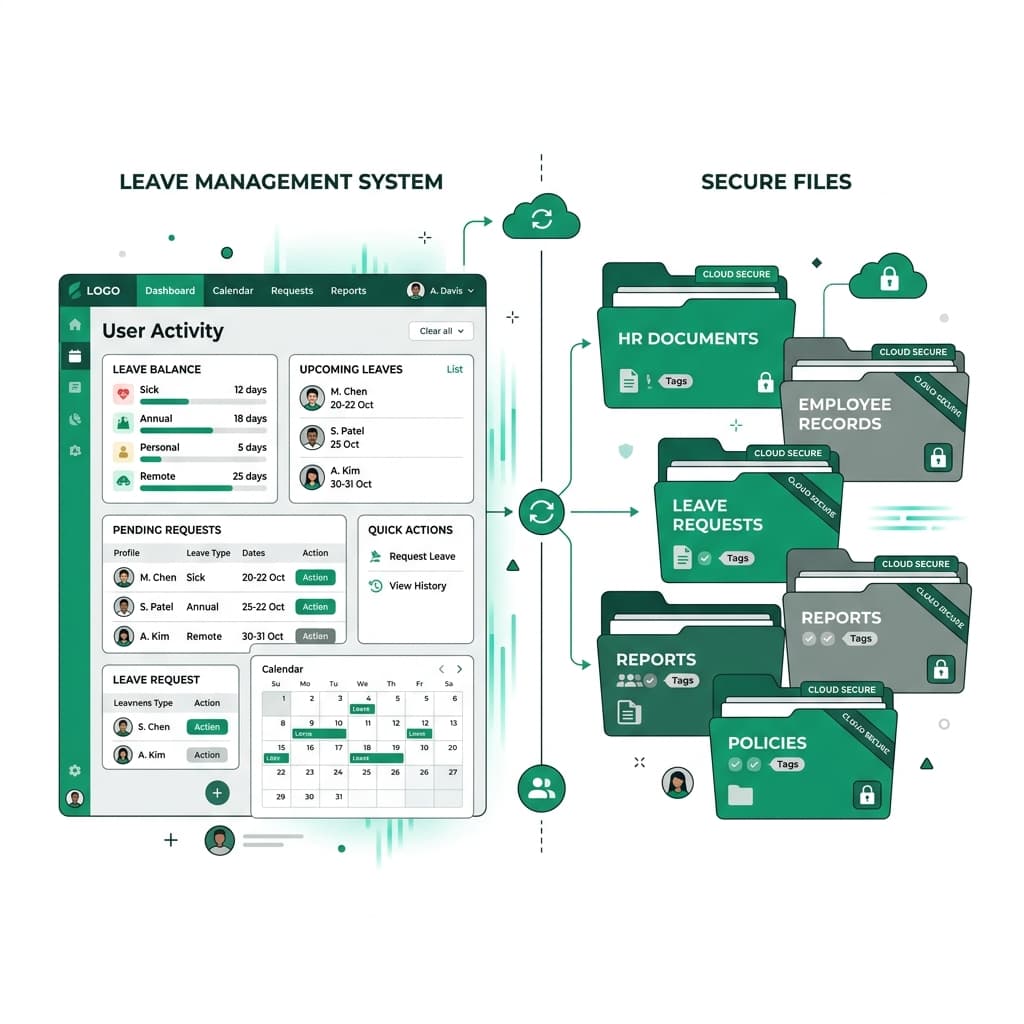
Transitioning from manual tracking to a secure, digital platform is the most effective way to eliminate administrative errors and maintain ADA compliance.
Streamlining ADA Rejections and Case Workflows in Three Steps
AI SoloHR simplifies FMLA and ADA case management by organizing the entire intake process into a structured digital workflow:
Initiate the Case: When an accommodation cannot be accommodated, log the request in AI SoloHR to automatically generate the appropriate ADA denial letter template.
Send Automated Requests: Email the digital denial letter directly to the employee and log the transmission.
Log and Review: Keep all communications and documentation logged in the secure portal, establishing a defensive history of the interactive process.
This automated process ensures that all deadlines are met and reduces the administrative burden on your HR team.
Securing Employee Case Files and Establishing Audit-Proof Paper Trails
Maintaining confidential medical records in a secure, separate environment is a key requirement for regulatory compliance.
AI SoloHR secures all medical files in an encrypted vault, separate from standard employee personnel files. Our platform tracks interactive timelines, records every email notification, and maintains an audit-proof paper trail of approvals and denials.
By replacing manual logs with automated workflows, you protect your business from liability. Whether you are managing FMLA leaves or tracking fmla leave tracking and ADA cases, AI SoloHR keeps your organization organized and fully compliant.
Frequently Asked Questions
What are legally defensible reasons for denying an ADA accommodation?
Legally defensible reasons include proving that the accommodation poses an \"undue hardship\" (significant operational difficulty or financial expense), requires eliminating essential job duties, or poses a direct threat to safety that cannot be resolved.
Is an employer required to offer alternative accommodations before denying a request?
Yes, under EEOC guidelines, before denying an accommodation request, the employer must explore whether alternative, effective accommodations are available that would not create an undue hardship. Denying a request without demonstrating this search in the interactive process is a major litigation risk.
Legal Disclaimer: The information provided on this website does not, and is not intended to, constitute legal advice; instead, all information, content, and materials available on this site are for general informational purposes only. Information on this website may not constitute the most up-to-date legal or other information.
Sources and review notes
This article is written for U.S. small-business HR teams in 2026 and should be checked against your own policy, state requirements, and counsel guidance before use in a contested employment decision. AI SoloHR provides workflow structure, reviewed drafting support, and educational resources; it does not provide legal advice or make final employment decisions.
This compliance document references official regulatory guidance from federal employment enforcement agencies:
Tired of locked, non-editable government PDFs? Get all 6 official DOL forms in customizable Word format, plus legally vetted employee notice and denial letters.
Ready to manage U.S. HR cases with a stronger paper trail?
AI SoloHR helps U.S. small businesses track FMLA, ADA, benefits renewals, employee relations, and other high-risk workflows automatically.
- 14-day full platform access
- Up to 3 active cases
- Up to 30 employee records
- All 7 U.S. case types unlocked
Related compliance articles
Related interactive HR calculators & tools
ADA Process Timeline
Track key milestones for ADA accommodation interactive dialogue.
Bradford Factor Score
Measure employee short-term absence disruption objectively.
FMLA Interference Risk
Evaluate your company's risk of FMLA interference or retaliation.
ADA Interactive Process Document Generator
AI-powered good-faith interactive dialogue agendas and accommodation decisions.
Related compliance guides & templates
ADA Accommodations Use Case
Structure your interactive dialogue and track modifications.
ADA Accommodation Documentation
HR guide to documenting accommodation requests and decisions.
ADA Accommodation Request Tracker
Factual interactive process outline and intake checklists.
ADA Interactive Process Agenda
Run a focused meeting around essential functions, options, and follow-up.
ADA Undue Hardship Review
Document operational limits, alternatives considered, and review notes.
ADA Reasonable Accommodation Checklist
Use a structured checklist to keep the interactive process readable.
Employee Relations Documentation
Best practices for writing factual case notes and audit trails.
HR Case Management for Small Business
Map leave, accommodation, employee relations, and benefits work into one case model.