The Danger of Silent Requests: When a 'Family Emergency' Triggers FMLA Duty to Inquire
For U.S. employers and small-business HR teams.
#fmla duty to inquire#fmla interference call-outs#what triggers employer fmla obligation
Fact-Checked & Regulatory AuditVERIFIED E-E-A-T
Verified by AI SoloHR Compliance & Editorial Team (U.S. Employment Law & Regulatory Compliance Research Group)
Last Audit: Aug 26, 2026 13:15
The Danger of Silent Requests: When a 'Family Emergency' Triggers FMLA Duty to Inquire
One of the most dangerous myths in employee relations is that an employee must explicitly ask for FMLA leave to receive its protection. Many managers and HR coordinators assume that if an employee calls out sick with a vague note or a verbal message about a "family crisis," standard attendance policies can apply.
Under federal case law, this is not true. The burden of identifying whether an absence qualifies for FMLA protection falls entirely on the employer.
In 2026, the Department of Labor continues to crack down on employers who penalize workers for absences that should have been designated as protected leave. Failing to recognize a silent request triggers the FMLA's "duty to inquire," exposing your business to expensive FMLA interference claims.
🛠️ HR Compliance Alert: Missing an implicit leave request leads to FMLA interference. Download our free FMLA & LOA Tracking Checklist
Sources and review notes
This article is written for U.S. small-business HR teams in 2026 and should be checked against your own policy, state requirements, and counsel guidance before use in a contested employment decision. AI SoloHR provides workflow structure, reviewed drafting support, and educational resources; it does not provide legal advice or make final employment decisions.
Statutory Sources & Regulatory Citations
This compliance document references official regulatory guidance from federal employment enforcement agencies:
to learn how to identify qualifying events and manage notice timelines.
The Silent Compliance Trap: When FMLA Obligations Trigger Unnoticed
When a worker calls out sick, they rarely reference federal statues. They are more likely to send a brief message about a family issue or chronic health problem.
The Warehouse Operator Gotcha
In early 2026, a forklift operator at a large logistics facility in Indiana began calling out sick multiple times a month. The operator verbally informed their shift supervisor that they were "having a really hard time managing their diabetes" and needed to leave early.
The supervisor, who was not trained in FMLA compliance, logged these absences as unexcused personal call-outs under the company's points-based attendance policy. The operator never used the word "FMLA." When the operator accumulated 8 points, they were terminated.
The employee sued, and the federal court ruled in their favor. The judge held that the employee’s verbal statement regarding diabetes was sufficient to put the employer on notice of a potential FMLA-qualifying condition. Because the company failed to investigate further, they had committed FMLA interference.
The company was ordered to pay $95,000 in damages and reinstate the employee.
Defining the Employer's 'Duty to Inquire'
Under the DOL FMLA employer regulations, when an employer receives information that an employee's absence may be for an FMLA-qualifying reason, the employer has a legal duty to inquire further. You cannot remain passive or ignore verbal warnings. You must proactively ask clarifying questions to confirm eligibility.
What Counts as a Silent or 'Implicit' FMLA Request?
To protect your organization, HR and frontline managers must recognize the verbal and written warnings that trigger the duty to inquire.
Verbal Cues That Trigger Legal Protection
The following employee statements are sufficient to trigger the duty to inquire:
"I need to take my mother to oncology for her weekly treatment."
"My asthma is flaring up, and I can't breathe in this dusty environment today."
"I am experiencing severe anxiety attacks and need to see my doctor."
Note that none of these statements mention "FMLA." They simply describe a situation that could constitute a serious health condition or the need to care for a family member.
Why Mentioning 'FMLA' is Not Required
The courts have consistently ruled that employees are not expected to be employment law experts. It is the employer's responsibility to understand the law. Once the employee provides enough information to suggest the absence is for a qualifying medical reason, the FMLA clock starts ticking.
The 5-Day Written Notice Clock for HR
Once the duty to inquire is triggered, the company must execute the formal FMLA notification process within a strict statutory timeline.
Identify the Triggering Event: Pay attention to statements about serious health conditions or family medical emergencies.
Issue Eligibility Notice Within 5 Days: HR must distribute the WH-381 Notice of Eligibility and Rights & Responsibilities within 5 business days of learning about the need for leave.
Wait for Medical Certification: The employee has 15 calendar days to return a completed medical certification form.
Evaluating Eligibility within 5 Business Days
Under FMLA regulations, once you have notice that an employee’s leave may be for an FMLA-qualifying reason, you must provide the employee with the FMLA Notice of Eligibility and Rights & Responsibilities (Form WH-381) within 5 business days. This notice informs the employee of their rights, eligibility status, and certification requirements.
The Consequences of Late WH-381 Delivery
Failing to deliver the WH-381 within the 5-day window is a common procedural violation. If an employee is terminated for absences that occurred after the employer should have notified them of their FMLA rights, the termination can be ruled retaliatory, even if the employee's performance was otherwise poor.
Mitigating Risk with Standardized Intake Workflows
Training supervisors to identify FMLA cues is difficult. The most effective way to prevent compliance errors is to move away from loose verbal notifications.
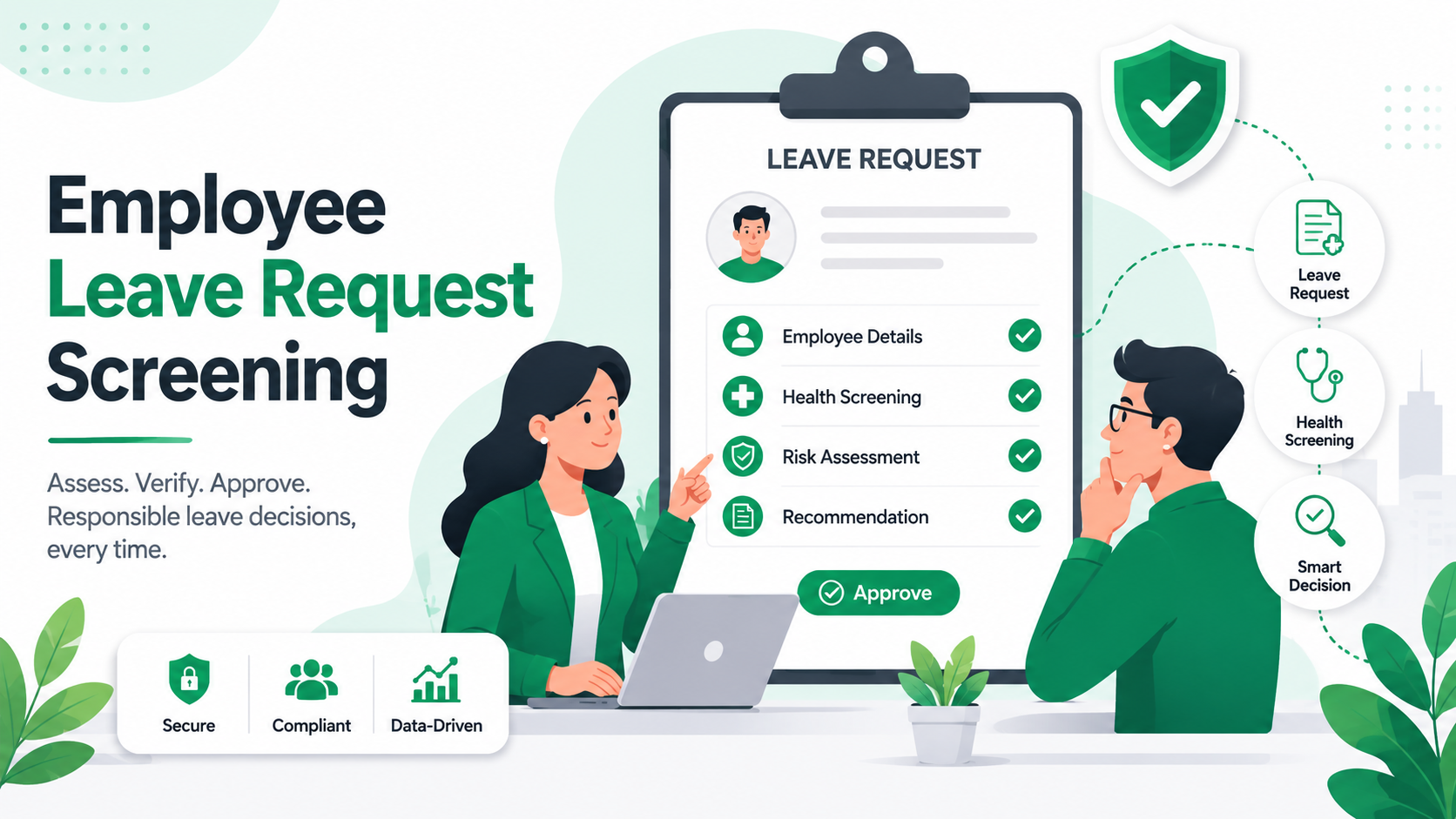
By implementing a structured leave management system, employees can submit all leave requests through a centralized intake portal. The system automatically alerts the HR proxy if a medical reason is selected, pre-validates eligibility, and prepares the WH-381 notice. This ensures your company never misses an implicit FMLA request and stays fully compliant in 2026.
Frequently Asked Questions
How many informal call-outs trigger a duty to inquire?
There is no fixed number. If an employee calls out sick for a single day due to a common cold, FMLA is not triggered. However, if the employee calls out multiple times in a month, or if they mention a chronic condition (such as diabetes, migraine, or depression), the duty to inquire is triggered immediately.
Can you discipline an employee who fails to mention FMLA?
No. You cannot discipline an employee for failing to use the word "FMLA." If the employee gave you enough information to suspect the absence was for a qualifying medical reason, and you failed to investigate, any disciplinary action taken for those absences constitutes FMLA interference.
Legal Disclaimer
This article is for educational and informational purposes only and does not constitute formal legal advice. HR professionals and business owners should consult with a qualified employment attorney to evaluate specific FMLA compliance scenarios in 2026.